What Is a Watch Movement?
The movement is the engine of a watch. It powers the hands and complications. There are three main types: quartz, automatic, and mechanical (hand-wound). Each has its pros and cons.
Quartz Movements
Quartz watches are battery-powered and use a quartz crystal to keep time. They are highly accurate, affordable, and low-maintenance. Brands like Seiko, Casio, and Timex offer excellent quartz watches. If you want a grab-and-go watch, quartz is ideal.
Automatic Movements
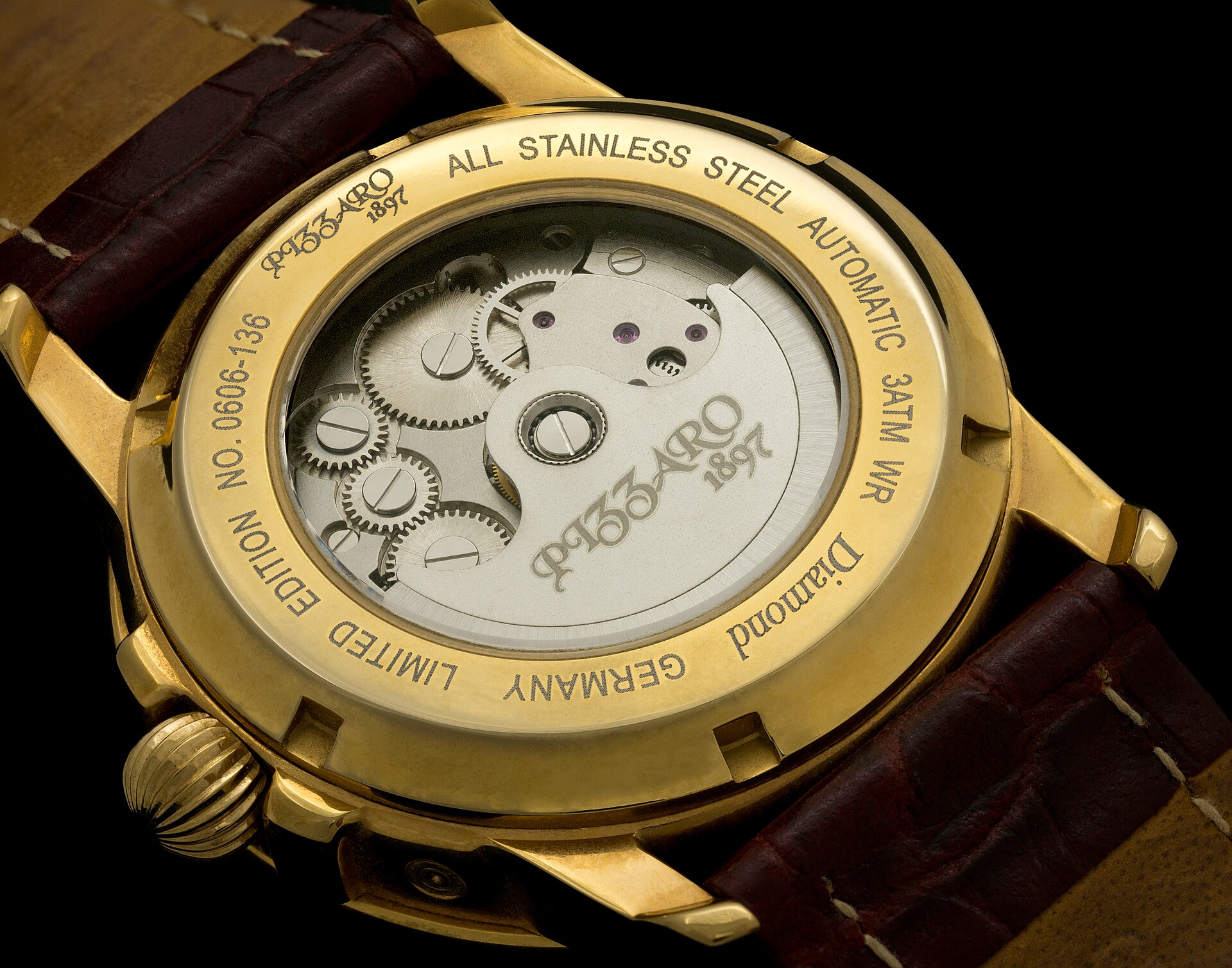
Automatic watches are powered by the movement of your wrist. They have a rotor that winds the mainspring. They are prized for their craftsmanship and are often considered luxury items. Rolex, Omega, and Seiko are known for their automatic movements. They require regular wear to keep running.
Mechanical (Hand-Wound) Movements
These require manual winding. They are thinner than automatics and offer a connection to traditional watchmaking. Brands like Nomos Glashütte and Junghans specialize in hand-wound watches.
Which Movement Is Right for You?
Consider your lifestyle: if you want convenience, go quartz. If you appreciate craftsmanship and don't mind winding, choose mechanical. Automatics are a good middle ground. Also, consider maintenance: mechanical watches need servicing every 5-10 years.
Looking for a watch with a specific movement? Selected watches may be available at outlets with discounts up to 60% off. Availability and actual discount vary by item. Contact us on WhatsApp for assistance.
Notable Watch Models for Beginners
Seiko 5 series: automatic, affordable. Orient Bambino: automatic, dressy. Timex Weekender: quartz, versatile. Hamilton Khaki Field: mechanical or automatic, rugged.
Find your perfect watch: selected models may be up to 60% off at outlets. Availability and discount vary. Message us on WhatsApp to check availability.
Outlet Shopping for Watches
Outlets often carry previous-season models from brands like Movado, Tissot, and Raymond Weil. These can be great value. Always verify the warranty and authenticity.